7 Best Ceremonial Matcha Powder Suppliers in 2026
Choosing the right Ceremonial Matcha Powder supplier in 2026 requires more than judging a bright green package. Freshness, origin, milling style, and transparent testing can change the cup dramatically. A well-made matcha should open with a clean aroma, dissolve smoothly, and leave a gentle sweetness rather than a harsh, dusty bitterness.
This guide examines seven notable suppliers through practical criteria. We consider tea-growing region, harvest information, stone-milling methods, packaging, and independent quality controls. We also look for clear details about heavy-metal testing, pesticide screening, and storage recommendations. These points matter because matcha is finely ground whole tea leaves. Poor handling may affect flavor and freshness.
Taste remains personal. Very much so.
Some drinkers prefer a soft, creamy profile with notes of steamed greens. Others enjoy deeper umami, mild bitterness, or a dry finish. The word “ceremonial” also lacks one universal international grading standard, so supplier claims deserve careful reading. Our comparisons therefore focus on evidence, consistency, and customer usefulness instead of attractive labels alone.
The selected companies may suit different needs, including traditional whisking, daily drinking, gifting, and reliable international delivery. Prices and availability can change during the year, especially after spring harvests. We recommend checking current batch details before ordering. A supplier can look impressive online yet provide limited information about its farms or testing. That gap should not be ignored. Consider this list a researched starting point, not a final verdict. Your palate, budget, and preparation method still matter.
What Makes a Ceremonial Matcha Powder Supplier Reliable in 2026
In 2026, a reliable ceremonial matcha supplier should prove quality before making wellness claims. Market forecasts show why this matters. Grand View Research valued the global matcha tea market at about US$2.8 billion in 2023. It also forecast a 9.8% compound annual growth rate through 2030. IMARC Group estimated a smaller 2024 market value, showing that published figures vary. Forecasts are imperfect. Supplier evidence matters more than polished packaging.
Look for the harvest season, cultivar, growing region, milling date, and lot number. A certificate of analysis should identify pesticide residues, heavy metals, microbes, moisture, and laboratory methods. Traceability should reach the farm or cooperative, not stop at a warehouse. Reliable operators explain shade management and stone-milling practices clearly. Bright jade color helps, but it is not proof. Fresh powder should smell grassy, taste rounded, and dissolve with limited grit. Ask for a sealed sample from the same lot. Whisk it with 70°C water. Notice bitterness, aroma, and foam stability. Food safety systems matter too. ISO 22000 certification, independent testing, allergen controls, and documented recall procedures strengthen accountability. FAO and WHO risk-based food-safety guidance supports these controls, but certificates cannot replace recent test results. Some suppliers publish impressive certificates with vague dates. That is a warning sign. “Ceremonial” is also a market term, not a universal grade. Expect clear lead times, protective packaging, and honest answers about harvest shortages.
How to Compare Matcha Quality, Origin, and Production Standards
Choosing among the 7 best ceremonial matcha powder suppliers in 2026 requires more than attractive packaging. The word “ceremonial” has no universal global standard, so buyers should examine measurable details. Ask where the tea was grown, which cultivar was used, and whether the leaves were shade-grown before harvest. A reliable supplier should provide harvest timing, milling information, batch identification, and clear storage guidance.
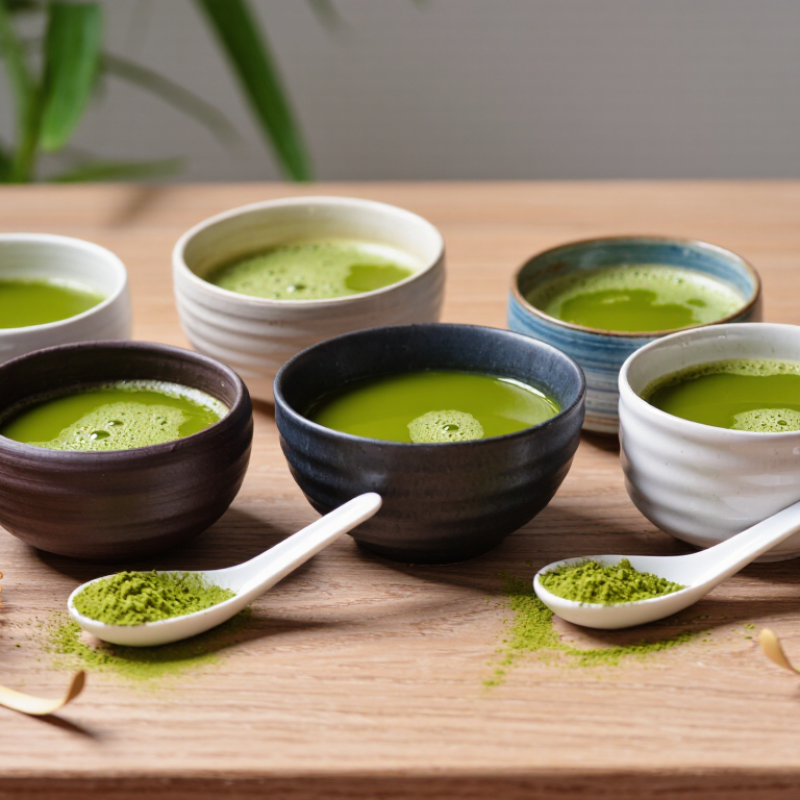
Quality becomes visible in the bowl. Fresh matcha usually shows a vivid green color, fine texture, and a clean aroma resembling young grass or spring vegetables. When whisked, it should create a stable layer of small foam bubbles. Taste should feel umami-rich, smooth, and lightly sweet, not harsh or dusty. Still, sensory judgment is personal. I once preferred a slightly bitter sample because it tasted more like traditional tea. That preference was not proof of higher quality.
Production standards deserve equal attention. Look for stone-milled powder, controlled moisture exposure, food-safety testing, and packaging that limits oxygen and light. Certificates of analysis can help verify microbial safety, heavy-metal screening, and pesticide controls, but paperwork alone cannot replace tasting. Compare the production date, not only the expiration date. Suppliers with traceable farms and responsive technical support are easier to trust when questions arise. Some sellers provide impressive claims without enough evidence. Treat that as a warning sign. Freshness can decline quickly after opening, even when the product was excellent at dispatch.
7 Best Ceremonial Matcha Powder Suppliers in 2026
How to Compare Matcha Quality, Origin, and Production Standards
The chart summarizes supplier-independent reference points commonly used when evaluating ceremonial matcha: Japanese tencha origin, pre-harvest shading, first-flush harvesting, stone milling, fine particle size, moisture control, and caffeine content. These benchmarks are practical comparison criteria rather than company-specific claims; actual values vary by cultivar, region, harvest year, and laboratory method.
Reference basis: common Japanese matcha production practices and published food-composition ranges for powdered green tea. Confirm specifications with a current certificate of analysis before purchasing.
The 7 Best Ceremonial Matcha Powder Suppliers in 2026
The 7 Best Ceremonial Matcha Powder Suppliers in 2026
The seven best ceremonial matcha powder suppliers in 2026 should be judged by evidence, not bright packaging. Grand View Research estimates the global matcha market reached approximately $3 billion in 2023. It also projects strong growth through 2030. That expansion increases choice, but it may also reward vague grading claims. “Ceremonial” has no universal legal definition in many markets. Buyers need clearer proof.
Our assessment focuses on shaded tencha, harvest timing, milling method, and origin disclosure. High-quality suppliers should identify the growing region and provide batch-level testing. Useful documents include pesticide screening, heavy-metal results, microbiological analysis, and moisture data. ISO 22000 certification can support food-safety controls, but it does not automatically prove superior flavor. Experience still matters. A fresh bowl should show vivid green color, fine texture, gentle sweetness, and limited bitterness.
IMARC Group reports continued double-digit growth expectations for parts of the matcha sector, driven by beverage and wellness demand. That demand can strain supply and encourage older stock to remain on shelves. Ask about harvest year, sealed packaging, storage temperature, and shipping speed. Look for opaque, airtight containers. Traceability matters.
A small weakness remains in this ranking. Public supplier data is inconsistent, and “first harvest” claims are not always independently verified. We therefore favor suppliers that publish specific records over those using impressive language. Taste also remains personal. One buyer may prefer creamy umami, while another notices pleasant astringency. The best shortlist should leave room for both evidence and a careful sip.
How to Choose the Right Supplier for Your Matcha Needs
Choosing among the seven best ceremonial matcha powder suppliers in 2026 requires more than judging a bright green color. Grand View Research’s 2024 market analysis projects matcha growth at roughly 9% annually through 2030. Rising demand can attract weaker quality controls. Check the supplier’s origin records, harvest season, cultivar, and milling method. A reliable supplier should identify the Japanese growing region and provide batch-specific laboratory results.
Ask for a current certificate of analysis. It should cover microbial safety, heavy metals, pesticide residues, moisture, and lot numbers. Packaging matters too. Opaque, airtight pouches protect matcha from light, oxygen, and humidity.
A useful test is simple: whisk two grams with warm water. Ceremonial powder should create a fine foam, feel smooth, and show fresh grassy sweetness. Harsh bitterness is a warning, not always a failure.
Look for practical evidence. Can the supplier explain storage temperatures, delivery timelines, and replacement procedures? The Tea Association of the U.S. reported that tea is consumed in about 80% of American households, showing how large the wider category has become. Still, popularity does not prove quality.
I once trusted color too quickly. That was a mistake. Compare samples using the same water, temperature, and whisking time. Record aroma after opening, foam stability after five minutes, and flavor after cooling. Supplier transparency should outweigh attractive packaging or unusually low prices.
 Blog
Blog