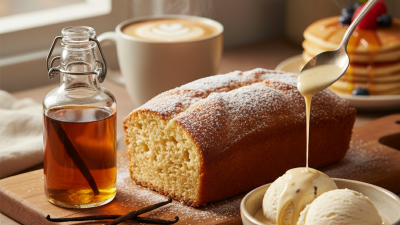
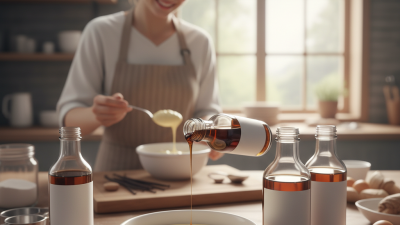
Why Choose Natural Vanilla Extract for Baking and Cooking?
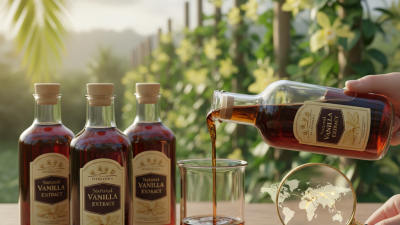
Natural vanilla extract is more than just a flavor enhancer. It adds depth to dishes and brings warmth to desserts. Many home bakers and professional cooks prefer natural vanilla extract over synthetic options for several reasons.
One significant advantage is the rich flavor profile found in natural vanilla extract. It is derived from real vanilla beans, providing a complexity that artificial flavors lack. This authenticity makes a noticeable difference in baked goods. Desserts taste more vibrant and aromatic when made with natural vanilla extract.
Moreover, using natural ingredients aligns with current culinary trends that emphasize quality. Many people also seek healthier alternatives in their cooking. Natural vanilla extract not only satisfies this desire but ensures that your dishes are crafted with integrity. While it is often more expensive than synthetic varieties, the investment is worthwhile. Reflecting on the choice between natural and synthetic helps reveal what matters most in our cooking. Choosing natural adds a layer of authenticity we should not overlook.
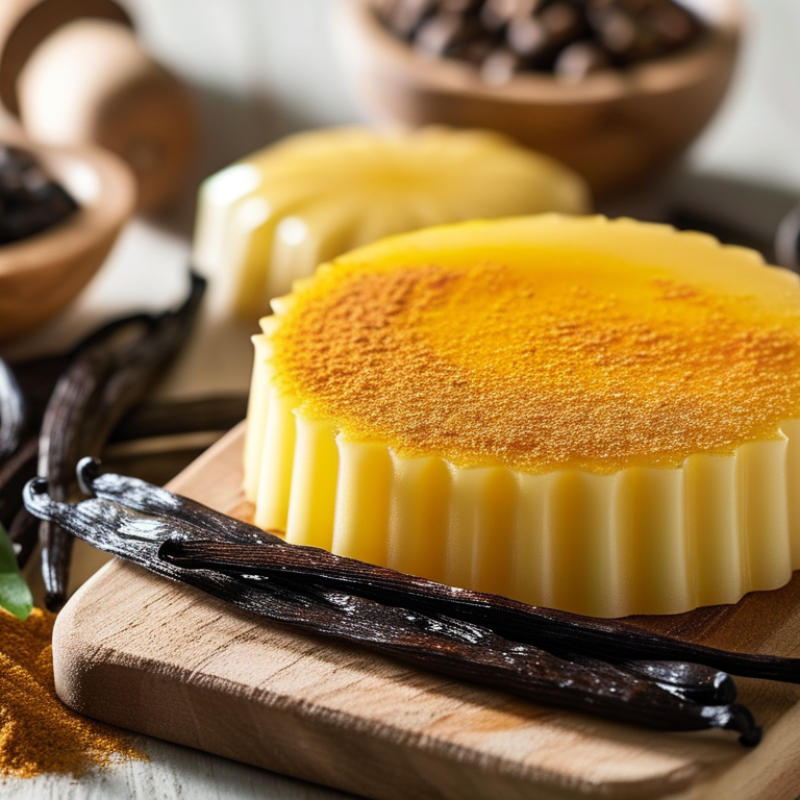
Benefits of Using Natural Vanilla Extract in Recipes
Natural vanilla extract elevates the flavor of baked goods and dishes. Unlike synthetic vanilla, it is derived from real vanilla beans. Reports show that 68% of bakers prefer natural vanilla for its complex flavor profile. The rich notes in natural vanilla make a significant difference in desserts. When added to recipes, it enhances sweetness without overpowering other flavors.
Health professionals suggest that natural vanilla contains antioxidants. These compounds may help combat oxidative stress in the body. A study published in the Journal of Agricultural and Food Chemistry highlighted the health benefits of natural vanilla. It stated that natural vanilla extract can improve heart health and digestion due to its beneficial properties.
While natural vanilla is generally more expensive, many agree it is worth the investment. Some may find the cost a barrier, but the quality difference can be notable. Experimenting with different amounts may be necessary for optimal results. Balancing flavor intensity can be tricky, but the outcome can make cuisine truly remarkable.
Comparison of Natural vs. Imitation Vanilla Extract
When it comes to vanilla extract, there's a clear divide between natural and imitation options. Natural vanilla extract is derived from the vanilla bean. It contains over 200 compounds that contribute to its rich, complex flavor profile. In contrast, imitation vanilla is often made from synthetic vanillin, which lacks the depth found in its natural counterpart. According to industry reports, approximately 95% of vanilla used globally is artificial. This is largely due to the high cost and labor-intensive nature of cultivating vanilla beans.
Bakers appreciate the versatility of natural vanilla. It enhances flavors in baked goods and complements ingredients without overpowering them. The use of natural vanilla can elevate the overall quality of desserts, bringing commitment to authenticity. However, it is worth noting that because of its price volatility and limited supply, some consumers may hesitate to choose natural vanilla.
Tip: When selecting vanilla extract, check the label for “pure” or “natural” to ensure you’re getting the best quality.
Imitation vanilla may seem budget-friendly, but its taste can be bland and one-dimensional. Some bakers find that swapping natural for imitation can lead to disappointing results. A recipe that calls for pure vanilla extract may not deliver the same flavor with imitation. Thus, the choice between natural and imitation is crucial for any serious baker.
Tip: Experiment with smaller quantities of natural vanilla to gauge its impact. This way, you can adjust recipes without wastage.
How to Properly Store Natural Vanilla Extract for Longevity
When it comes to storing natural vanilla extract, proper techniques are essential for maintaining its quality.
Choose a dark glass bottle to limit light exposure. This is important because light can degrade the extract over time.
A cool, dark pantry or cabinet is an ideal spot for storage.
Avoid storing it near heat sources, like ovens or stoves.
It’s easy to forget about the shelf life of vanilla extract. Many people think it lasts forever, but it does not.
Over time, flavor intensity can diminish. Checking for any changes in aroma or color can indicate if your extract is still good.
If you notice an off smell or separation, it may be time to replace it.
Keep in mind that the expiration date is just a guideline; the real test is the flavor quality.
Regularly reviewing your vanilla supply can be helpful. It can also be an opportunity to try new brands or types.
A home baker might find value in comparing flavors and aromas. Reflecting on your use of natural vanilla extract can lead to better baking experiences.
Even small adjustments in storage can make a significant difference in taste.
Tips for Incorporating Vanilla Extract into Baking and Cooking
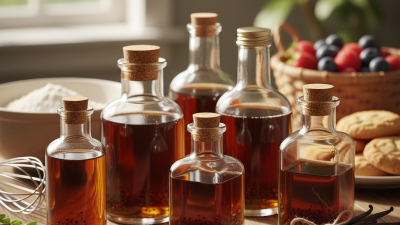
When it comes to baking and cooking, natural vanilla extract brings a unique flavor profile. This makes it a favorite among chefs. It enhances desserts, sauces, and even savory dishes. Its rich, complex notes can elevate a simple recipe.
Tips for incorporating vanilla extract into your cooking can be quite helpful. When adding it to cakes or cookies, consider using it alongside other flavors. This can create a more dimensional taste. A few drops of vanilla in your pancake batter can add warmth. You can even try a hint of vanilla in stews for an unexpected twist.
Experimentation is key. Sometimes, less is more. Using too much vanilla can overpower a dish, so start small. Taste as you go. This is crucial for developing your culinary skills. Keep a journal of what you try. Reflect on which combinations work best. Learning from your experiences makes your recipes truly your own.
Why Choose Natural Vanilla Extract for Baking and Cooking?
| Aspect |
Natural Vanilla Extract |
Imitation Vanilla Extract |
| Flavor |
Rich, complex, and authentic flavor |
Simpler and often less rich flavor |
| Ingredients |
Made from real vanilla beans |
Synthetic flavoring agents |
| Usage in Baking |
Enhances the taste of baked goods |
May not provide the same depth of flavor |
| Health Benefits |
Contains antioxidants, may have anti-inflammatory properties |
Lacks health benefits of natural extracts |
| Cost |
Generally more expensive due to extraction process |
Usually less expensive |
Common Uses of Natural Vanilla Extract in Culinary Arts
Natural vanilla extract is a staple in many kitchens. It enhances flavors in a wide range of recipes. Home bakers often use it in cookies, cakes, and frostings. This extract can also elevate savory dishes, such as marinades or sauces, adding a subtle depth.
When using natural vanilla extract, a little goes a long way. Just one teaspoon can transform a basic recipe into something special. To make the most of it, store it in a cool, dark place. This helps preserve its rich flavor. Always check the label for purity. Some extracts may contain added sugars or artificial flavors.
Tips for culinary success: consider pairing vanilla with spices like cinnamon or nutmeg. This combination adds warmth to dishes. For a unique twist, try infusing vanilla into beverages like coffee and hot chocolate. Be cautious with the amounts, though. A heavy hand can overpower other ingredients. Remember, the goal is to enhance, not overwhelm. Explore, experiment, and find what works for you.
Common Uses of Natural Vanilla Extract in Culinary Arts
 Blog
Blog