How to Choose Organic Flavor Powder in 2026?

Choosing organic flavor powder in 2026 requires more than comparing prices or reading attractive labels. Demand is growing, but product quality remains uneven. FiBL and IFOAM’s The World of Organic Agriculture 2024 reported global organic retail sales of approximately €135 billion in 2022. That growth increases pressure on suppliers, formulators, and buyers.

The details matter.

A reliable evaluation should begin with certification, origin, and processing records. Check whether the organic claim covers the flavor itself, its carrier, and every processing aid. Request a current certificate, certificate of analysis, allergen statement, pesticide-residue results, and batch traceability. Powder texture also deserves attention. A spoonful may look fine, yet clump inside a beverage premix after storage. Measure moisture, water activity, bulk density, solubility, and flavor strength under real application conditions.

Flavorist John Wright has emphasized, “Flavor is what makes food worth eating.” His point remains practical. Organic status cannot rescue a weak aroma, a dusty aftertaste, or poor heat stability. Research from Innova Market Insights and Mintel also shows continuing consumer interest in clean-label, plant-based, and recognizable ingredients. However, those reports generally track broader food trends, not every organic flavor powder category. Market estimates should be treated carefully.

A strong supplier should explain extraction methods, carrier materials, origin changes, and shelf-life testing without vague promises. Ask for pilot samples. Test them in your final recipe, not only in water. Some botanical notes fade quickly. Others become bitter after baking.

There is no perfect powder.

The best choice balances certification, sensory performance, safety documentation, consistency, and honest supplier communication.

How to Choose Organic Flavor Powder in 2026?

What Organic Flavor Powder Is and How It Is Made

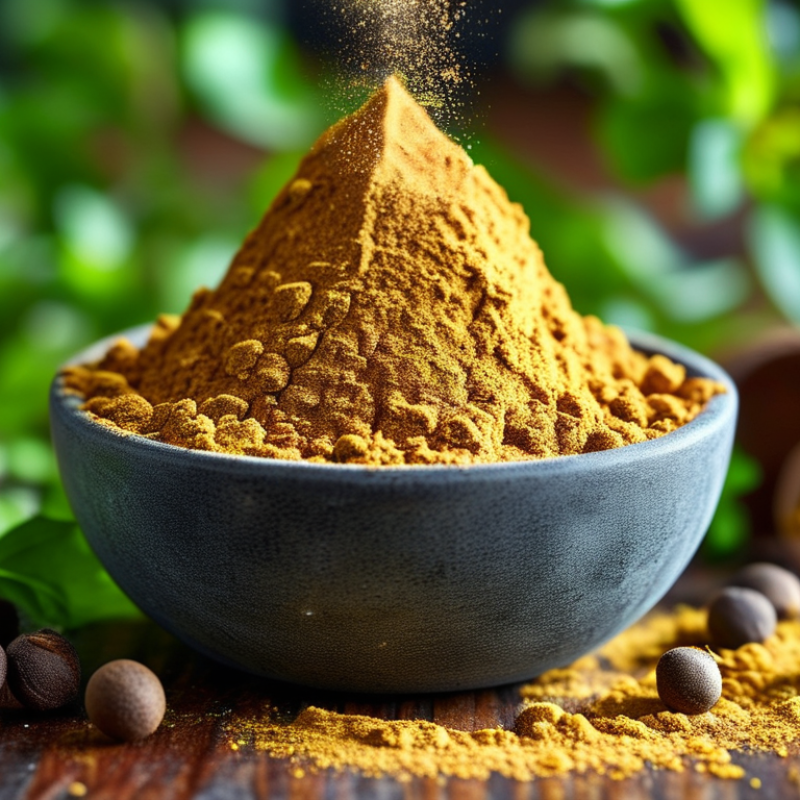
Organic flavor powder is a dry, concentrated flavoring made from certified organic fruits, herbs, spices, or other permitted natural sources. Manufacturers usually extract the flavor, blend it with a suitable carrier, then remove moisture through spray-drying or freeze-drying. Spray-drying is faster and more economical. Freeze-drying often protects delicate aromas better, but costs more.

The carrier matters. Organic acacia gum or organic maltodextrin can improve flow, solubility, and shelf stability. However, “organic” does not always mean every component is purely fruit. Check the ingredient list, organic certificate, carrier percentage, and processing method. The Organic Trade Association reported that United States organic sales reached 67.6 billion dollars in 2023. This growth suggests stronger demand, but demand alone cannot prove quality. Flavor strength, moisture content, microbial testing, and batch traceability still require technical review. I would not choose powder by aroma alone. That shortcut often fails during baking or beverage mixing.

Tips: Request a recent certificate and certificate scope. Test one sample in your actual recipe. Measure taste after heating, not only in cold water. Review the specification for moisture, particle size, and storage temperature. The 2024 Food and Agriculture Organization guidance on food quality also supports traceability and risk-based verification across processing stages. Packaging should block light and moisture, especially for fruit powders. A resealable pouch may look practical, yet it can perform poorly in humid production rooms. Small trials reveal these weaknesses early.

How to Verify Organic Certification and Ingredient Purity

How to Choose Organic Flavor Powder in 2026?

Organic certification should be verified, not assumed. Ask for the current certificate before reviewing the powder’s color or aroma. Check the certifier’s name, certificate number, issue date, and approved product scope. A valid certificate should cover the exact flavor powder, not only the processing facility. Search the certifier’s public database when available. The certificate must also match the supplier’s legal company details.

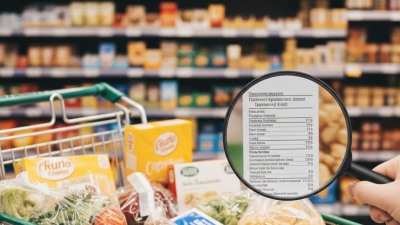
Read the ingredient statement carefully. Organic flavor powder may contain carriers, natural extracts, anti-caking agents, or processing aids. These ingredients can affect purity and labeling status. Request a complete specification sheet and a recent certificate of analysis. Review moisture, microbial limits, heavy metals, pesticide residues, and allergen information. Testing should identify the lot number and laboratory method. Generic reports are weaker evidence.

In practical sourcing, I once focused too much on the organic logo. The supporting documents revealed an unlisted carrier. That mistake changed my review process. I now compare the certificate, ingredient list, batch documents, and packaging information line by line. Small differences matter. Ask whether the powder is made from real food ingredients or concentrated flavor compounds. Organic certification does not automatically prove stronger flavor, cleaner taste, or total ingredient purity. Records can also become outdated. Recheck them before every major purchase.

How to Choose Organic Flavor Powder in 2026?

Minimum organic agricultural ingredient share generally required for products marketed as organic under major certification frameworks.

A qualifying organic label does not by itself prove flavor-powder purity. Check the certificate scope, ingredient list, processing aids, carriers, allergens, pesticide testing, and batch traceability. The 95% threshold applies to the main organic product category; exact rules and permitted non-organic ingredients vary by standard.

Sources: USDA National Organic Program, 7 CFR §205.301; European Union Regulation (EU) 2018/848, Article 30; Canada Organic Regime, Safe Food for Canadians Regulations; Japan Agricultural Standards for Organic Processed Foods.

How to Compare Flavor Strength, Source, and Processing Methods

How to Choose Organic Flavor Powder in 2026?

Demand is growing, but certification alone does not prove better flavor. FiBL and IFOAM Organics International reported €134.8 billion in global organic retail sales in 2022. The same report recorded 96.4 million hectares of organic farmland. These figures show stronger market interest, not automatic sensory quality.

Ask for the crop origin, harvest year, certificate scope, and laboratory testing. A powder made from ripe fruit usually tastes fuller than one made from immature material. Yet harvest conditions can change the result.

Flavor strength needs a controlled comparison. Measure the same powder weight in water, milk, or your finished recipe. Record aroma, first taste, aftertaste, color, and sediment after five minutes.

A practical starting test uses 0.5%, 1%, and 2% dosage levels. Do not trust a single tasting. Human perception varies, and my own small trials sometimes favored a less intense powder after baking.

That was not expected. Check the carrier, too. Maltodextrin, starch, or gum can dilute flavor and affect texture. Spray drying often improves flow and shelf stability, while freeze drying may preserve delicate aromas better.

However, freeze-dried powders can absorb moisture quickly. The processing choice should match the application.

Review water activity, particle size, heat exposure, and packaging data. The Institute of Food Technologists identifies moisture control and oxygen protection as key factors in powder stability. Ask for batch-specific results, not only a general specification sheet.

How to Match Flavor Powder with Food, Beverage, or Supplement Uses

Choosing organic flavor powder in 2026 requires more than selecting an appealing flavor name. Match the powder to its final use, serving size, processing method, and storage conditions. A flavor for yogurt may need smooth dispersion and gentle acidity. A beverage powder must dissolve quickly without floating particles or sediment. Supplement formulas often need strong flavor performance at a small dosage. Texture matters.

Ask suppliers for organic certification documents, allergen statements, specifications, and batch testing records. Check whether the powder contains carriers, added sweeteners, or flow agents. These details can change taste, labeling, and mixing behavior. For heat-processed foods, request stability information under realistic temperatures. For chilled drinks, test the flavor after refrigeration, not only at room temperature. My own testing experience shows that a pleasant dry aroma can become weak after dilution. That is easy to overlook.

Tips: Start small. Prepare trial samples using the intended recipe and water quality. Compare the flavor immediately, after several hours, and after the expected shelf period. Use a simple scorecard for aroma, taste, color, mouthfeel, and aftertaste. Citrus and berry notes may suit drinks, while vanilla, cocoa, or spice profiles often fit bakery and protein applications. Still, personal taste can mislead. A flavor that seems powerful in a kitchen may disappear in commercial processing. Recheck the formula before ordering a large batch.

How to Assess Safety, Packaging, Storage, and Supplier Reliability

How to Choose Organic Flavor Powder in 2026?

Safety should guide every purchase of organic flavor powder. Request a current certificate of analysis, allergen statement, ingredient list, and microbiological test results. Check whether the organic certification is recognized in your selling market. Confirm the lot number, production date, and best-before date match the supplied documents. Do not rely on aroma alone. A clean smell cannot confirm safety. It is easy to trust attractive paperwork, but small mismatches deserve careful questions.

Tips: Inspect the inner seal, pouch strength, label clarity, and tamper evidence. Choose packaging that blocks light and moisture when the powder requires protection. Store unopened bags in a cool, dry room, away from strong odors. Reseal opened packaging immediately. Use clean, dry scoops. Record opening dates and lot numbers. A simple storage log can prevent avoidable mistakes.

Supplier reliability appears through consistent evidence, not confident promises. Ask for traceability from raw material to finished powder. Review sample quality, response times, complaint handling, and replacement procedures. A dependable supplier should explain changes in color, aroma, particle size, or processing conditions. Compare several batches when possible. One sample may look perfect. That is not enough. I would also check whether documents arrive promptly and remain consistent over time. Mistakes happen, but unclear answers should slow the decision.

How to Choose Organic Flavor Powder in 2026? - How to Assess Safety, Packaging, Storage, and Supplier Reliability

Assessment Area Key Checkpoint Recommended Acceptance Criteria Documents or Verification Methods Priority 2026 Buying Action
Organic Status Valid organic certification The product, processing site, and relevant handling activities should be covered by a certification issued by an authorized control body for the target market. Request a current certificate, scope of certification, certificate number, validity dates, and product listing. Confirm the certificate directly through the applicable certification database or control body. High Verify before sampling
Ingredient Compliance Ingredient and carrier declaration All ingredients, carriers, processing aids, and anti-caking agents should be clearly declared and permitted under the organic standard and destination-market rules. Review the full specification, ingredient statement, allergen declaration, non-GMO statement where required, and processing-aid information. High Compare with formula
Food Safety Microbiological quality Results should comply with the applicable food category standard. The test panel commonly includes total plate count, yeast and mold, coliforms or Enterobacteriaceae, and absence or limits for relevant pathogens. Obtain a batch-specific certificate of analysis from an independent laboratory. Confirm sampling date, batch number, methods, units, and specification limits. High Approve by batch
Food Safety Pathogen controls Pathogens of concern, including Salmonella, should be absent where required by the applicable regulation or product specification. Powders should be assessed according to their intended use and risk profile. Review pathogen test reports, environmental monitoring summaries, sanitation procedures, and corrective-action records when applicable. High Require documented control
Contaminants Heavy metals, pesticides, and mycotoxins Results should meet the legal limits of the destination market. Organic certification does not eliminate the need for contaminant testing. Request risk-based laboratory reports for lead, arsenic, cadmium, mercury, pesticide residues, and relevant mycotoxins. Check the laboratory's accreditation and test scope. High Use destination limits
Allergen Control Cross-contact management The supplier should identify intentional allergens and demonstrate controls for shared equipment, production sequencing, cleaning, rework, and storage. Review the allergen statement, allergen-control plan, cleaning validation or verification records, and facility allergen profile. High Confirm label wording
Product Identity Flavor profile and composition The powder should match the agreed flavor description, source material, color, odor, taste, carrier ratio, and intended application. Compare a retained reference sample with the specification. Check sensory evaluation records, ingredient percentages, and change-control history. Medium Approve a reference sample
Physical Quality Moisture and water activity Use the supplier's validated specification for the particular powder. Lower moisture and controlled water activity generally improve flowability and reduce microbial growth risk, but limits must be product-specific. Review moisture and water-activity results from a representative batch. Confirm test methods, calibration, and packaging conditions. High Set product-specific limits
Physical Quality Solubility, dispersibility, and caking The powder should disperse consistently in the intended food or beverage matrix and remain free-flowing throughout its stated shelf life under recommended storage conditions. Conduct application trials at the intended dosage and temperature. Review particle-size information, anti-caking-agent declaration, and accelerated or real-time stability data. Medium Test in final application
Packaging Barrier protection Packaging should protect the powder from moisture, oxygen, light, odors, and contamination. The required barrier level depends on the flavor, carrier, and shelf-life target. Request packaging specifications, material structure, seal-strength information, compatibility data, and food-contact compliance documentation. High Review before first order
Packaging Seal and tamper evidence Each unit should have an intact, food-grade closure or heat seal. Outer packaging should resist puncture and provide protection during transport. Inspect sample packaging, seal integrity, tamper-evident features, pallet configuration, and transport damage controls. High Inspect received goods
Packaging Traceability labeling Labels should show product name, lot or batch number, net quantity, production or packing date, best-before date, storage conditions, and applicable organic handling information. Review a label proof and confirm that the lot code links to raw materials, processing records, test results, and distribution records. High Approve label proof
Storage Warehouse conditions Store in a clean, dry, odor-free area, protected from direct sunlight, pests, condensation, and incompatible chemicals. Follow the product-specific temperature and humidity instructions. Request the storage specification, warehouse hygiene program, pest-control records, temperature and humidity monitoring records, and deviation procedures. High Audit storage controls
Storage Shelf-life evidence The stated shelf life should be supported by stability data covering sensory quality, moisture, water activity, microbiology, and other critical attributes. Request real-time stability data where available, accelerated-study rationale, retained-sample results, and the basis for the best-before date. High Match shelf life to use
Supplier Reliability Quality-management system The supplier should operate a documented food-safety system based on hazard analysis, prerequisite programs, internal audits, corrective actions, and management review. Request a current third-party food-safety audit or certification, audit scope, expiration date, major findings, and corrective-action status. High Review annually
Supplier Reliability Batch consistency Multiple batches should remain within agreed limits for flavor strength, color, moisture, microbiology, and key compositional attributes. Compare at least three recent batch COAs and samples. Track nonconformities, complaints, returns, and out-of-specification investigations. High Use a scorecard
Supplier Reliability Traceability and recall readiness The supplier should be able to trace one step backward and one step forward and provide relevant records within a defined response time. Conduct a traceability exercise or mock recall. Check lot coding, retained samples, distribution records, notification procedures, and recall-test results. High Test before approval
Supplier Reliability Change notification Changes to ingredients, processing, production site, packaging, specifications, certification status, or test methods should require advance written notice and approval when relevant. Review the supplier's formal change-control procedure and define notification periods in the quality agreement. Medium Add to contract
Supplier Reliability Supply continuity Evaluate production capacity, lead time, minimum order quantity, seasonal raw-material risks, backup arrangements, and documented business-continuity plans. Request a supply plan, lead-time history, capacity confirmation, contingency plan, and service-level performance data. Medium Plan dual sourcing
Commercial Controls Quality agreement Responsibilities for specifications, testing, release, complaints, deviations, recalls, audits, confidentiality, and change notification should be written and mutually accepted. Execute a quality agreement before routine purchasing. Align it with the purchase specification and destination-market requirements. High Complete before contract
Final Decision Supplier approval score Approve only when critical safety, organic-status, packaging, and traceability requirements are closed. A useful internal scorecard can weight safety and compliance more heavily than price. Record document review, sample results, audit findings, corrective actions, application performance, and periodic supplier-review outcomes. High Approve with conditions if needed

Note: Acceptance limits should be finalized according to the destination market, product category, intended use, applicable organic regulation, customer specification, and validated supplier controls.

Partners in
Sustainability

Learn More
National Forest Foundation
Upcycled Food