 Blog
Blog
Blog
BlogChoosing the best Ceremonial Matcha from China requires more than judging its bright green color. “Ceremonial” is widely used in marketing, but it has no single global legal definition. Labels can mislead. Buyers should examine origin, harvest season, processing method, laboratory testing, and supplier transparency.
FAOSTAT tea data consistently identifies China as the world’s largest tea-producing country, with diverse growing regions and processing traditions. However, production volume does not guarantee matcha quality. The China Tea Marketing Association’s industry publications also emphasize traceability, standardized processing, and quality control across the tea supply chain. These findings support a practical approach: request the farm or factory location, batch number, production date, and certificate of analysis before purchasing.
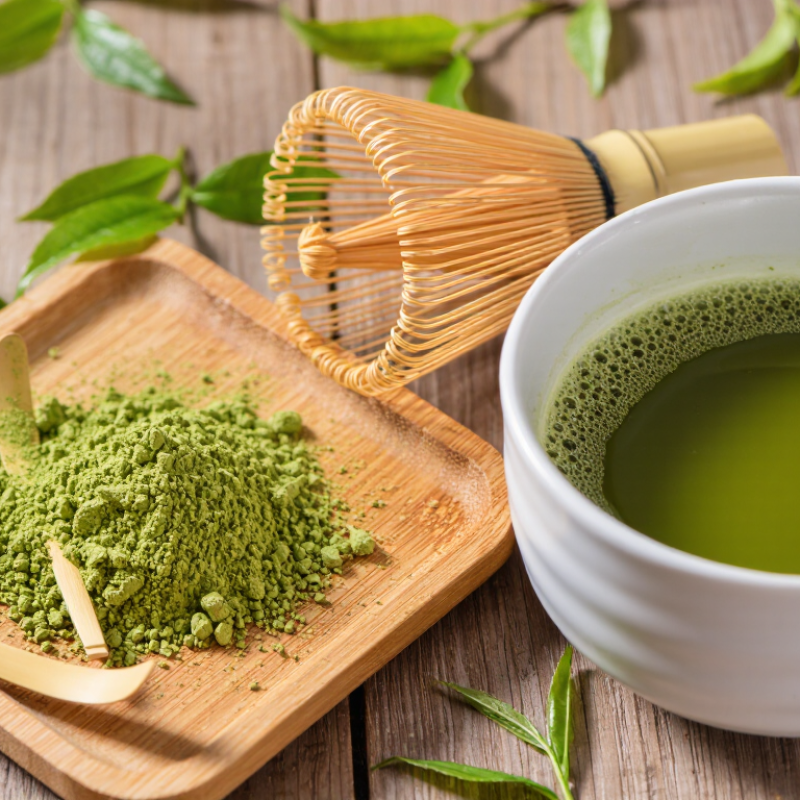
A reliable Chinese matcha should show a vivid but natural green tone, a fine powder, and a fresh aroma resembling young grass, steamed greens, or sweet peas. When whisked, it should form a smooth foam without gritty sediment. The flavor may include umami, mild sweetness, and controlled bitterness. Excessive bitterness deserves attention. It can reflect older leaves, poor shading, oxidation, or unsuitable storage.
Independent tests for pesticide residues, heavy metals, and microbiological safety add important assurance. The results should match the exact production batch, not a generic certificate. I would also compare sealed packaging, cold-chain practices, and harvest-to-delivery time. Some premium claims remain difficult to verify without visiting the producer. That limitation matters. A thoughtful buyer should remain curious, record tasting results, and reassess suppliers as new data becomes available.
How to Choose the Best Ceremonial Matcha from China?
High-quality Chinese ceremonial matcha begins with traceable production, not attractive packaging. FAOSTAT’s 2022 data recorded China’s tea output at roughly 3.35 million tonnes, exceeding half of global production. Matcha is only a small segment of this volume. Therefore, origin details matter. Look for the province, harvest season, cultivar, and milling date.
Real ceremonial quality appears in the cup. Shade-grown leaves usually produce a deeper green color and softer bitterness. Fine stone milling should create powder that feels almost silky between your fingers. The aroma should suggest fresh grass, peas, or seaweed, not cardboard. A smooth umami taste is valuable, but excessive sweetness can be misleading. Color alone can fool you.
Laboratory evidence adds reliability. Testing should follow recognized methods, such as ISO 14502-1 for tea polyphenols. Sellers should also provide pesticide-residue, heavy-metal, and microbiological test results. These documents should identify the batch, not merely display a general certificate. China’s large tea industry creates impressive choices, but it also makes vague claims easy to publish. “Ceremonial” has no single global legal definition. That remains a weakness.
A careful buyer should taste matcha with water first. Milk can hide bitterness and stale aromas. I would also question unusually cheap powder. Price is not proof of quality, yet exceptional freshness rarely costs very little. Even experienced tasters can confuse intense bitterness with strength.
A practical quality-assessment framework for evaluating Chinese ceremonial matcha without relying on brand names.
| Quality Dimension | High-Quality Benchmark | What to Look For in the Product or Test Report | Why It Matters |
|---|---|---|---|
| Origin and Traceability | Clearly identified Chinese growing region, harvest year, lot number, and processing location. | Look for a traceable origin statement and a batch or lot code. A specific region is more informative than a general “Made in China” statement. | Traceability helps verify freshness, production consistency, and accountability. |
| Tea Plant Material | Young, tender leaves and buds selected for shade-grown matcha production. | The raw material should be described as tencha or shade-grown leaves rather than ordinary green-tea leaf or tea dust. | Tencha is traditionally produced for matcha and generally gives a smoother texture and more balanced flavor. |
| Pre-Harvest Shading | The tea plants are shaded before harvest, commonly for approximately 2–4 weeks. | Ask whether shading was used and how long it lasted. The exact method may involve nets or other light-reduction systems. | Shading can increase chlorophyll and L-theanine levels while reducing the development of harsh bitterness. |
| Harvest Timing | A young spring harvest is generally preferred for a fresh, delicate profile. | Check the harvest season and year. “First harvest” should be supported by a clear harvest date or lot record. | Earlier, younger leaves usually contain fewer coarse fibers and can produce a finer, more refined cup. |
| Color | Bright, vivid green with a fresh appearance; not dull brown, yellow, or gray-green. | Color should be assessed under neutral light. Very bright color alone is not proof of quality, because color can be affected by storage and processing. | Green color is associated with chlorophyll retention and proper handling, but it must be evaluated together with aroma and taste. |
| Aroma | Fresh, sweet, vegetal, lightly marine, or softly nutty aroma. | Prefer a clean aroma without hay, smoke, sourness, mustiness, chemical notes, or strong roasted odors. | A clean aroma indicates freshness and helps reveal poor storage or unwanted contamination. |
| Flavor Balance | Smooth umami, gentle sweetness, moderate bitterness, and a lingering finish. | When prepared traditionally, the tea should not taste sharply bitter, burnt, sour, metallic, or excessively astringent. | Ceremonial-style matcha is normally chosen for drinking with water, so balance and finish are more important than merely strong flavor. |
| Texture and Mouthfeel | Fine, creamy, and smooth when whisked, with minimal grittiness. | Small clumps can occur because matcha is a fine powder, but persistent sand-like particles suggest insufficient milling or unsuitable raw material. | Fine particles suspend more evenly in water and create the characteristic full-bodied matcha texture. |
| Particle Fineness | Very fine powder produced by slow stone milling or a controlled equivalent process. | Manufacturers may provide a particle-size specification. Avoid judging quality by particle size alone; milling method and raw material both matter. | Finer particles improve suspension and mouthfeel, while excessive heat during milling may damage aroma and freshness. |
| Moisture and Freshness | Dry powder with no visible dampness, oiliness, or hardened moisture-related lumps. | Check the packed-on date, best-before date, airtight packaging, and storage instructions. A laboratory moisture specification is useful when available. | Moisture, oxygen, heat, and light accelerate flavor loss, color degradation, and clumping. |
| Contaminant Compliance | Passes applicable food-safety limits for pesticides, heavy metals, microorganisms, and other regulated contaminants. | Request a recent certificate of analysis for the specific lot. Results should identify test methods, units, limits, and the tested batch. | Tea leaves can accumulate environmental residues, so independent or accredited laboratory testing provides meaningful protection. |
| Packaging | Opaque, airtight, food-grade packaging with a reliable seal and clear lot information. | Prefer packaging that limits exposure to light, oxygen, heat, and moisture. Resealable inner packaging is useful after opening. | Matcha oxidizes relatively quickly compared with larger-leaf teas because the leaves are ground into a powder. |
| Storage Conditions | Stored cool, dry, dark, and airtight; refrigerated storage may be used when condensation is prevented. | After opening, keep the powder tightly sealed and allow a chilled container to reach room temperature before opening to avoid condensation. | Correct storage helps preserve the green color, fresh aroma, sweetness, and umami character. |
| Preparation Performance | Whisks into a relatively even suspension with a fine foam and no harsh aftertaste. | Test approximately 1–2 g of matcha with 60–70 ml of water at about 70–80°C. Avoid boiling water, which can emphasize bitterness. | A practical preparation test evaluates the product as it is actually consumed and helps separate ceremonial-style matcha from cooking-grade powder. |
| Label Accuracy | The label clearly states ingredients, net weight, country of origin, production information, shelf life, and storage guidance. | Pure ceremonial matcha should list one ingredient: powdered green tea leaves. Be cautious with vague claims such as “premium” without supporting details. | Complete labeling makes comparison easier and reduces the risk of buying blended, sweetened, or misrepresented powder. |
Practical conclusion: The best Chinese ceremonial matcha is not defined by color or price alone. Evaluate traceable origin, shade-grown young leaves, clean flavor, fine texture, recent packaging, proper storage, and lot-specific food-safety documentation together.
(Your form has been submitted.)
We'll be in touch soon! Until then, take a look around — you never know what you'll find!