Top 10 Natural Flavors Ingredients Sourcing in China?
In recent years, the demand for natural flavors ingredients has surged globally. According to a report by the Food and Beverage Innovation Network, the market for natural flavors is projected to reach $18 billion by 2027. This growth reflects a significant shift towards health-conscious choices among consumers. In China, the sourcing of these ingredients plays a pivotal role in the industry.
Natural flavors ingredients are essential for creating appealing products in food and beverages. The unique botanical diversity in China offers a rich landscape for sourcing. However, despite the opportunities, challenges remain. Quality control and authenticity are vital considerations. Additionally, navigating local regulations can be daunting for foreign suppliers.
Suppliers must also be aware of consumer trends. A 2023 survey indicated that 76% of consumers prefer products with natural flavors over artificial options. This trend underscores the importance of sourcing quality ingredients. Understanding the landscape and challenges will help businesses succeed in this growing market.
Overview of Natural Flavors and Their Importance in the Industry
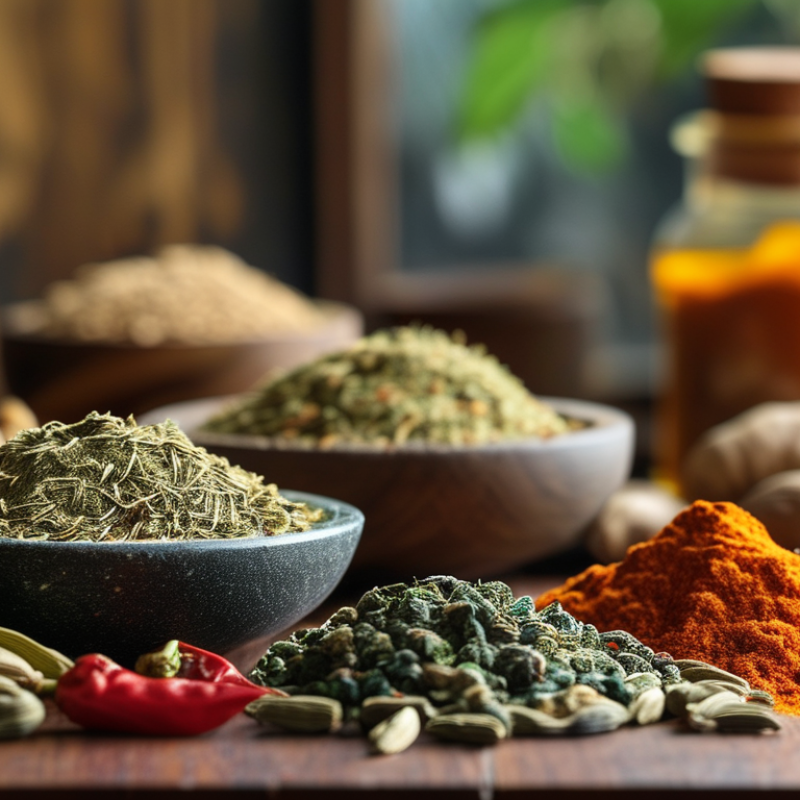
Natural flavors play a crucial role in the food and beverage industry. They enhance products and create unique taste profiles. Sourcing these ingredients from trusted suppliers ensures quality and safety. In China, natural flavors can come from fruits, spices, and herbs. These ingredients are essential for creating authentic tastes in various applications.
When sourcing, consider the sourcing practices of suppliers. Do they prioritize sustainability and ethical methods? Transparency in the supply chain is vital. Inspect the quality of raw materials regularly. Building strong relationships with suppliers can lead to better products over time.
Tip: Always verify the origin of natural flavor ingredients. Directly visiting suppliers can provide insight into their practices. Sampling products before committing can prevent sourcing issues. Quality control should be a continuous process, not just a one-time effort. Emphasize the importance of quality to your suppliers.
Key Regions in China Known for Natural Flavor Ingredient Sourcing
China is becoming a key player in the global natural flavor ingredient market. Specific regions have developed reputations for high-quality sourcing. For instance, Yunnan province is renowned for its diverse plant life. This makes it a hotspot for exotic herbs and spices. The climate and altitude here contribute to unique flavors, unlike any other location.
Another significant area is Sichuan. Known for its bold culinary traditions, it produces ingredients such as Sichuan pepper and chili peppers. These ingredients bring a distinct kick to various dishes, appealing to global tastes. However, challenges exist. Not all producers maintain sustainable practices. This raises concerns about sourcing methods and long-term impacts on the environment.
In addition, the eastern regions like Jiangsu also offer a wealth of flavor ingredients. With a history of agriculture and trade, it boasts a range of fruits and vegetables. However, sourcing from this region can sometimes lack transparency. Understanding the origins of these ingredients is essential for quality assurance. As the industry evolves, balancing sustainability with flavor quality remains a significant challenge.
Top 10 Natural Flavor Ingredients Sourcing in China
Popular Natural Flavor Ingredients Sourced from China
Natural flavor ingredients sourced from China have gained popularity for their quality and variety. They play a crucial role in the food and beverage industry. Ingredients like ginger, cardamom, and star anise are highly sought after. These flavors can enhance the sensory experience of products significantly.
When sourcing natural flavors, consider the authenticity of the supplier. A reliable source ensures high-quality ingredients. Look for suppliers who prioritize sustainability and ethical sourcing practices. This not only supports local farmers but also contributes to better flavors.
Tips: Always sample products before making a large purchase. This allows you to assess quality and flavor profile. Stay updated on market trends to find unique ingredients that appeal to consumers. Exploring lesser-known flavors can set your products apart. Adaptability in sourcing is key to staying competitive in the market.
Top 10 Natural Flavors Ingredients Sourcing in China
| Ingredient |
Sourcing Region |
Usage in Industry |
Market Demand |
| Vanilla Extract |
Yunnan |
Food & Beverage |
High |
| Peppermint Oil |
Sichuan |
Cosmetics |
Medium |
| Lemon Oil |
Guangdong |
Food & Beverage |
High |
| Ginger Extract |
Shandong |
Health Supplements |
Growing |
| Cinnamon Bark Oil |
Yunnan |
Food Flavoring |
Medium |
| Citrus Extracts |
Fujian |
Beverages |
High |
| Rosemary Extract |
Shaanxi |
Food Preservative |
Medium |
| Basil Oil |
Jiangsu |
Food Flavoring |
Growing |
| Mint Flavor |
Zhejiang |
Confectionery |
High |
| Cardamom Oil |
Guangxi |
Beverages |
Growing |
Challenges and Solutions in Sourcing Natural Flavors in China
Sourcing natural flavors in China poses several unique challenges. The vast landscape of suppliers includes both established companies and smaller, less reliable ones. Quality control can vary significantly, making it difficult for buyers to ensure consistency and safety. Many suppliers may lack the necessary certifications, complicating the sourcing process. Language barriers can also hinder effective communication and complicate negotiations.
To navigate these challenges, it is crucial to conduct thorough due diligence on potential suppliers. Building relationships with local experts can improve understanding of the market dynamics. Engaging in factory audits can help verify claims about sourcing practices and quality. Additionally, developing a solid network of contacts can facilitate access to more reliable suppliers. Taking these steps can mitigate risks and enhance the overall sourcing experience in a complex landscape. Challenges remain, but proactive approaches can lead to successful outcomes.
Future Trends in Natural Flavor Sourcing and Sustainability in China
The future of natural flavor sourcing in China is a blend of innovation and responsibility. According to a report by the China Flavor Association, the natural flavor market is expected to grow annually by 10% from 2023 onwards. This demand drives companies to seek sustainable sourcing methods. Sourcing from local producers minimizes carbon footprints and fosters community support. The approach aligns with the ethos of sustainability that is gaining traction globally.
Data from the World Wildlife Fund shows that over 60% of consumers are willing to pay more for sustainably sourced products. This statistic highlights a shift in consumer behavior. Companies face the challenge of balancing cost and sustainability. Some may cut corners in sourcing to save money, risking the integrity of their products.
The future also demands transparency. Consumers now expect detailed information about where and how flavors are sourced. Flavors derived from organic farms often carry higher price tags. However, investments in quality sourcing can yield long-term benefits. Continuous improvement in supply chain practices remains crucial for competitiveness in the market. The path forward needs reflection and commitment to ethical sourcing.
 Blog
Blog