Why Are Natural Flavors Popular in Food and Beverage Products?
Natural flavors have gained significant traction in the food and beverage industry. Consumers are increasingly drawn to products labeled with "natural flavors." These flavors often evoke a sense of authenticity and wholesomeness. People want to feel connected to their food. They search for ingredients that resemble what is found in nature.
Manufacturers respond to this demand by using natural flavors to enhance their products. These flavors can come from various sources—plants, herbs, and fruits. The appeal lies in the perception that natural flavors are healthier and safer than artificial alternatives. Yet, this perception can be misleading. Not all natural flavors are free from processing.
Moreover, the term "natural" itself can be ambiguous. Consumers may assume they are making better choices. However, understanding the complexities of natural flavors requires thought and scrutiny. This complexity can lead to confusion and even mistrust. As the market grows, it challenges both consumers and producers to educate themselves on what "natural" truly means.

Understanding Natural Flavors: Definition and Composition
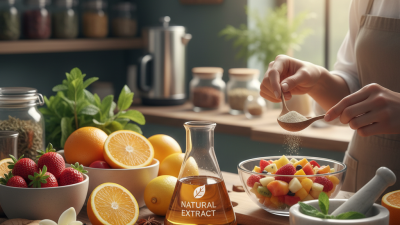
Natural flavors have become a key ingredient in many food and beverage products. But what are they? Natural flavors are derived from plant or animal sources. They capture the essence of the original ingredient. For instance, a strawberry flavor can come from actual strawberries. The extraction processes can be complex, often using heat or solvents. This complexity raises questions about authenticity.
Understanding the composition of natural flavors helps consumers make informed choices. The term "natural" doesn’t always mean pure. Some processes might alter the original component. It’s important to recognize that while they are derived from natural sources, they can still be processed extensively. That can impact flavor profiles in unexpected ways. Sometimes, the final product doesn’t taste like the original ingredient at all.
This discrepancy can lead to discussions on transparency in ingredients. Consumers appreciate knowing what’s in their food. They seek authenticity but often get mixed messages. You might find natural flavors in many items, but their origins vary. The journey from source to flavor can be convoluted. Reflecting on this, we might question whether we truly understand what we are consuming.
Why Are Natural Flavors Popular in Food and Beverage Products?
| Aspect |
Details |
| Definition |
Natural flavors are derived from natural sources such as fruits, vegetables, and herbs, and are used to enhance the flavor profile of food and beverages. |
| Composition |
Typically composed of essential oils, extracts, and other flavor compounds obtained through processes such as distillation or cold pressing. |
| Consumer Preference |
Increasing consumer demand for clean-label products and healthier options drives the popularity of natural flavors. |
| Applications |
Used in a wide range of products including beverages, snacks, sauces, and dairy items to improve taste without artificial additives. |
| Regulatory Aspects |
Regulated by food safety authorities, with specific guidelines on what constitutes a natural flavor. |
| Market Trends |
The natural flavor market is experiencing growth, influenced by trends towards organic and non-GMO products. |
The Rise of Natural Flavors in the Food and Beverage Industry
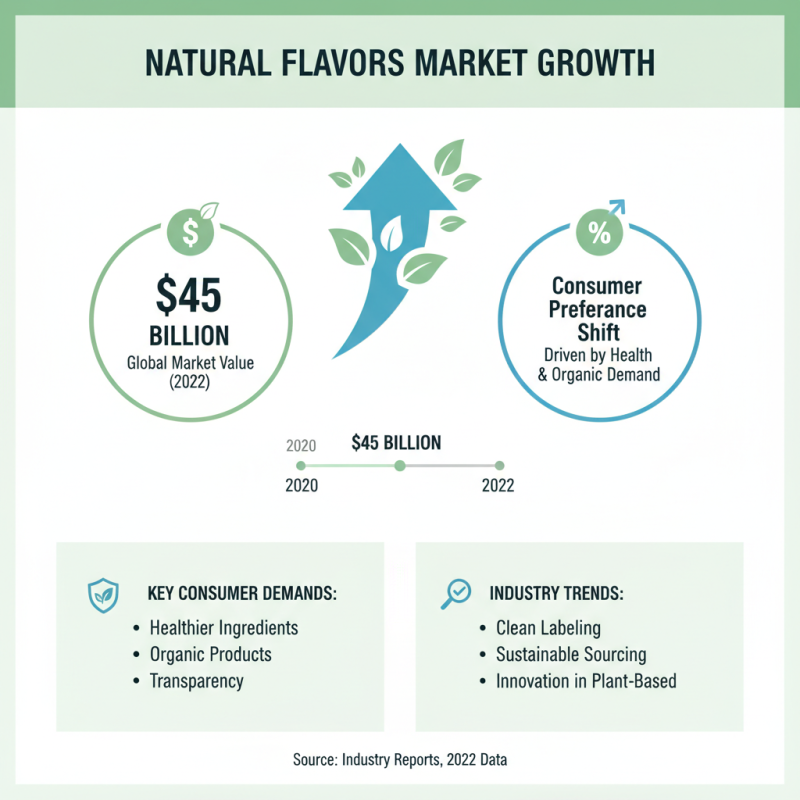
Natural flavors are gaining traction in the food and beverage industry. Recent reports indicate that the global natural flavors market reached approximately $45 billion in 2022. This growth reflects a significant shift in consumer preferences toward healthier and more organic products. Many consumers are seeking natural ingredients. They want transparency about what they consume.
Amidst increasing awareness, natural flavors offer an appealing alternative. A study by the Natural Marketing Institute reveals that 76% of consumers read labels for all-natural ingredients. Younger generations, in particular, favor products with recognizable components. However, the definition of "natural" can be vague. This ambiguity can lead to confusion among consumers.
While natural flavors often provide a more authentic taste, they are not without their challenges. The sourcing of these flavors can be inconsistent, impacting availability. Moreover, natural flavors may still contain allergens or additives that consumers need to be aware of. The industry must address these concerns to maintain trust. As businesses continue to innovate, the conversation around natural flavors must evolve, ultimately guiding consumer choices.
Consumer Preferences: Why People Choose Natural Flavors
Consumers increasingly prefer natural flavors in their food and beverages. This trend stems from a growing awareness of health and wellness. People are becoming more cautious about what they consume. Natural flavors are often viewed as cleaner and safer.
Many shoppers associate natural flavors with freshness. They evoke images of fruits, herbs, and spices. This connection appeals to sensory experiences. However, some consumers may not fully understand what "natural" means. The term can sometimes be misleading.
Nutrition labels are vital for informed choices. Yet, many people still seek flavors that sound appealing. The temptation for convenience can overshadow health concerns. There's a fine line between indulgence and wellness. Balancing taste and nutrition remains a challenge for consumers seeking natural options.
Regulatory Standards: Defining Natural Flavors Legally
Natural flavors have become a significant trend in the food and beverage industry. This popularity can be partly attributed to regulatory standards that define what constitutes a natural flavor. According to regulations, natural flavors come from plant or animal sources. They can be extracted using various processes. These stringent definitions help ensure consumer safety.
However, there are challenges in these regulations. The term "natural" is not always straightforward. Some extraction methods may chemically alter these flavors, blurring the lines between natural and artificial. Many products still claim natural flavors without clear transparency. Consumers often lack clarity on what they are ingesting. This raises questions about trust in labeling.
Understanding the legal definitions is crucial for both manufacturers and consumers. There is a need for more transparency and clarity in ingredient sourcing. As consumers become more conscious of their food choices, the industry must adapt. Striking the right balance between flavor, health, and transparency is essential. Only then can consumer confidence be restored.
Popularity of Natural Flavors in Food and Beverage Products
This chart illustrates the percentage of natural flavor usage across different food and beverage categories. Natural flavors are increasingly popular due to their perceived health benefits and consumer preference for natural ingredients.
Challenges and Misconceptions Surrounding Natural Flavors
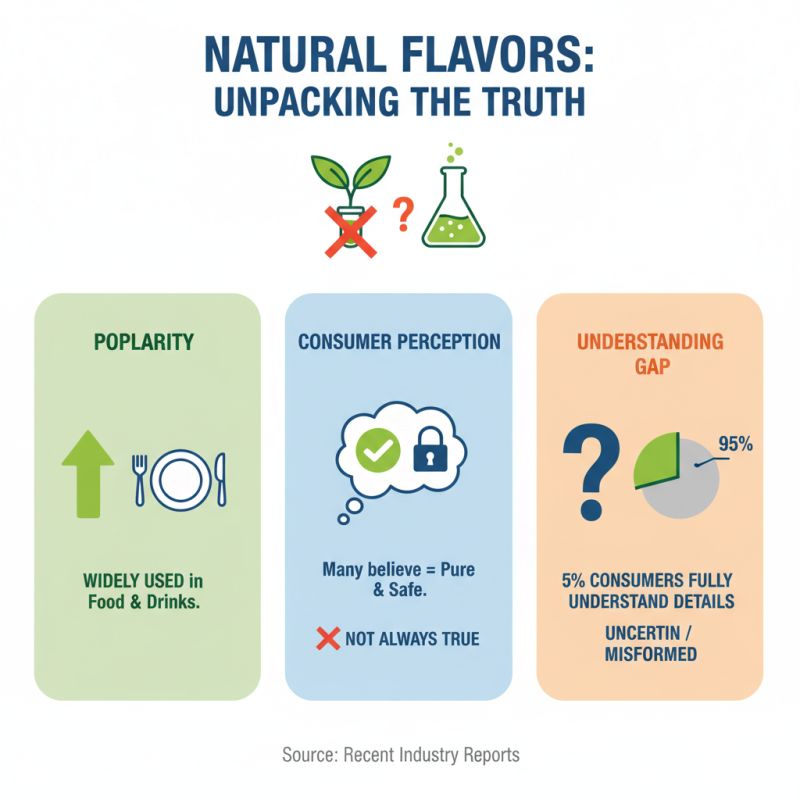
Natural flavors have gained significant popularity in food and beverage products. However, misconceptions often cloud their understanding. Many consumers believe that "natural" implies pure and safe. This isn't always the case. According to recent industry reports, only 5% of consumers fully understand what natural flavors entail.
One common misconception is that natural flavors come solely from plants. In reality, they can be derived from both plant and animal sources. This diversity in sourcing can result in unexpected allergens or dietary restrictions being overlooked. For instance, a natural flavor labeled as "vanilla" may have been derived from animal ingredients. This can be alarming for strict vegans or those with certain allergies.
Tip: Always read labels closely. Terms like "natural flavor" may hide important information about ingredient sourcing. Additionally, consider reaching out to manufacturers for clarity. Not all flavors are created equal, so understanding what they include is essential.
Another challenge lies in the regulatory landscape. The term "natural flavor" is not strictly defined by law, allowing for some lax interpretations. This ambiguity can mislead consumers who assume they are making healthier choices. In a recent survey, 70% of respondents expressed confusion over the term.
Tip: When in doubt, research. Utilize credible sources to learn more about natural flavors. Educating yourself can help you make informed decisions that align with your dietary needs and preferences.
 Blog
Blog