Top 10 Artificial Food Flavoring Suppliers Worldwide?
Artificial food flavoring helps manufacturers create consistent taste, aroma, and mouthfeel across changing production conditions. A strawberry note may need to remain recognizable in yogurt, candy, beverages, or baked goods. That consistency is rarely accidental.
Flavor scientist Gary Reineccius explains, “Flavor is a combination of taste, aroma, and mouthfeel.” This principle matters when comparing worldwide suppliers. A strong supplier does more than provide a pleasant smell. It should demonstrate formulation expertise, documented quality controls, reliable traceability, and practical support during product development.
This Top 10 Artificial Food Flavoring Suppliers Worldwide guide examines companies through those standards. It considers flavor range, technical service, manufacturing capacity, customization, regulatory documentation, and supply reliability. Regional experience also matters. A supplier serving dairy products may not understand the same challenges as one serving snacks or plant-based drinks.
Details reveal competence. Can the supplier adjust vanillin for a high-temperature bakery process? Can it protect citrus notes during storage? Can its team explain allergen statements and batch consistency clearly? These questions deserve evidence, not impressive brochures.
No ranking is perfect. Supplier performance can vary by country, application, and order volume. Pricing may change, and a famous name may not suit every formula. Buyers should request samples, technical documents, and pilot-scale testing before making a final decision.
The companies below represent important options for professional buyers seeking dependable artificial food flavoring. Their strengths differ. That difference is useful.
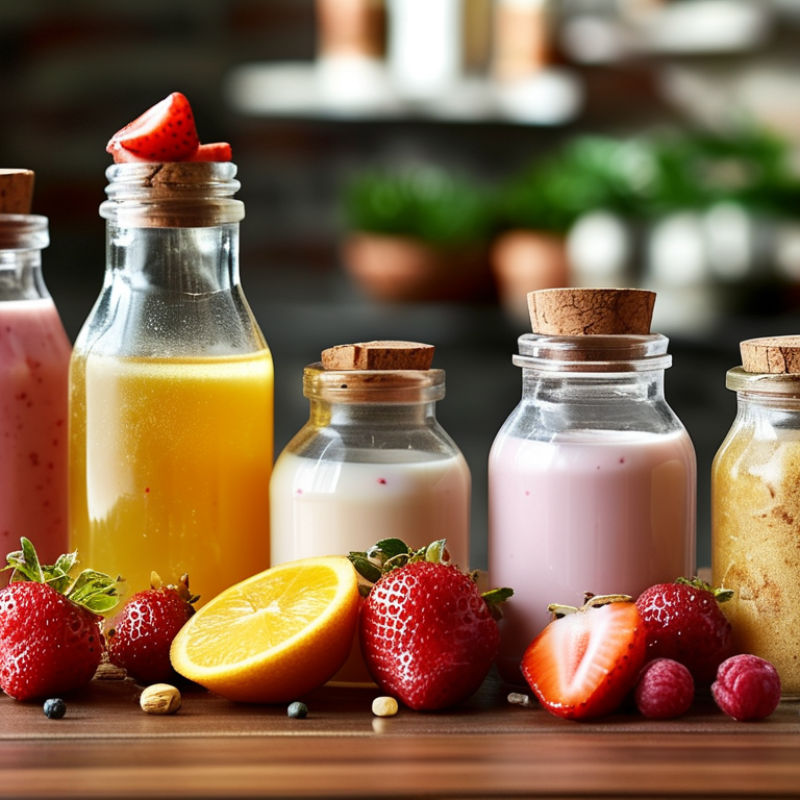
What Are Artificial Food Flavorings and How Are They Used?
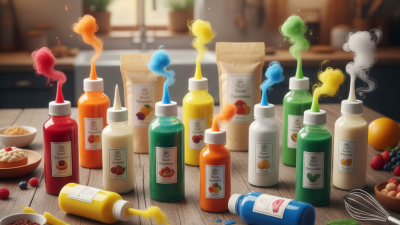
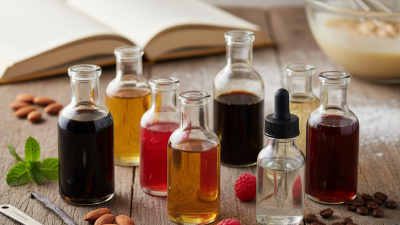
Artificial food flavorings are lab-designed compounds that recreate or enhance tastes and aromas. They may imitate vanilla, citrus, smoke, fruit, or baked notes. Unlike natural extracts, they are built from selected chemical molecules. This allows consistent flavor, stable supply, and controlled production costs.
Manufacturers use them in beverages, confectionery, sauces, dairy products, baked goods, and powdered mixes. A few drops can shape an entire batch. Suppliers usually provide liquid, powder, or encapsulated formats. They may also offer technical data, dosage guidance, allergen information, and batch documentation. Reliable sourcing requires checking intended food use, purity specifications, storage conditions, and local regulatory approval. Supplier rankings can change, so a “top 10” list should not replace technical review.
Tips: Test flavors in the finished product, not only in water. Heat, acidity, fat, and packaging can change the final aroma. Start with a low dosage and increase it gradually. Keep clear trial records. Small errors matter. Ask suppliers for certificates and updated compliance documents. Avoid choosing only by price; a cheaper flavor may perform poorly after processing. Sensory panels can reveal harsh, flat, or artificial notes that laboratory tests miss. I have found that one promising sample can fail after shelf-life testing, so early confidence should remain limited.
Top 10 Artificial Food Flavoring Suppliers Worldwide: Common Application Areas
Artificial food flavorings are chemically produced substances used to reproduce or enhance flavors in processed foods and beverages. The chart compares their commonly reported application areas by estimated share of global flavoring demand; values are rounded industry estimates and exclude supplier or brand data.
Typical applications include beverages, confectionery, bakery products, dairy foods, savory foods, snacks, sauces, nutritional products, ready meals, and frozen desserts.
How to Evaluate Global Artificial Flavoring Suppliers
Top 10 Artificial Food Flavoring Suppliers Worldwide?
Choosing among global artificial flavoring suppliers requires more than comparing prices or product catalogs. A reliable evaluation begins with technical evidence. Check the supplier’s specification sheets, certificates of analysis, safety data, allergen statements, and traceability records. Documents should match the actual batch, not an outdated sample. Ask how the supplier controls raw materials, production changes, contamination risks, and storage conditions.
Request samples for blind sensory testing. Compare aroma strength, taste balance, color, solubility, and performance after heating or refrigeration. A flavor that works in water may fail in a baked filling. Confirm minimum order quantities, lead times, packaging, and shipping conditions. Global supply also demands clear regulatory support for your target markets. Requirements can differ by country and product category. Do not accept vague promises. Still, no scorecard is perfect. Sensory preferences can vary between trained panels and real consumers.
Tips: Build a weighted supplier scorecard before contacting vendors. Give quality and documentation more weight than low pricing. Request a small pilot batch and record every result. Review complaint handling and recall procedures. A factory audit, even remote, can reveal gaps hidden in polished presentations. Check whether technical staff answer specific questions quickly. Slow replies may become costly during production changes or urgent quality investigations. Supplier selection is an ongoing review, not a one-time purchase.
Regional Trends in the Worldwide Flavoring Industry
Regional Trends in the Worldwide Flavoring Industry
A credible top-ten list of artificial food flavoring suppliers requires more than production volume. Buyers now examine traceability, batch consistency, sensory testing, and technical support. Reliable suppliers provide clear specifications, allergen information, and documented quality controls. Small details matter.
North American demand remains divided. Manufacturers want familiar vanilla, fruit, and bakery profiles, yet consumers increasingly question synthetic ingredients. Suppliers must balance cost, stability, and label expectations. In Europe, regulatory scrutiny is stronger, with closer attention to permitted substances, exposure levels, and product wording. This raises compliance costs but can improve documentation across the sector.
Asia-Pacific shows the fastest practical expansion, supported by processed foods, beverages, and convenience products. Regional suppliers often develop flavors for intense heat, acidic drinks, and long distribution routes. Local taste knowledge is valuable. Latin American markets favor bold fruit, caramel, and dairy notes, while buyers in the Middle East and Africa often prioritize shelf stability and dependable delivery. However, regional trends are not perfectly uniform. Urban and rural preferences can differ sharply, and public data on supplier performance remains incomplete. A supplier may look strong globally but perform poorly in a specific climate or application. Pilot trials, sensory panels, and independent quality reviews still deserve attention before large-scale purchasing.
Top 10 Artificial Food Flavoring Suppliers Worldwide
The top 10 artificial food flavoring suppliers worldwide are best assessed by technical depth, regulatory discipline, and global manufacturing reach. A simple revenue ranking can mislead. Smaller suppliers may deliver stronger regional support, faster prototypes, or better performance in difficult applications.
Grand View Research reported that the global food flavor and enhancer market reached approximately USD 15.5 billion in 2023. Its analysis projects continued growth through 2030, driven by processed foods, beverages, and convenience products. MarketsandMarkets also identifies taste consistency, shelf stability, and application-specific formulation as major purchasing factors. Leading suppliers typically provide liquid and powdered flavors, heat-resistant systems, and documentation for allergen control, traceability, and permitted use levels.
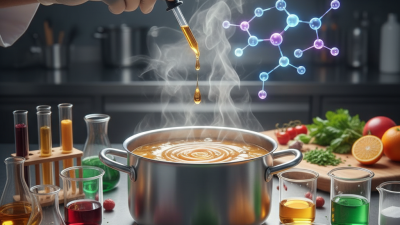
Performance matters most in production. A flavor can smell excellent in a laboratory beaker, yet fade after baking or clash with acidic drinks. Experienced buyers should test samples in the final recipe, not only on paper. Supplier audits should examine batch records, sensory calibration, contamination controls, and regional compliance procedures. A ranking is never perfectly neutral. Public market reports often estimate differently, and private-company data may remain incomplete. That uncertainty deserves attention. Cost still matters, but the cheapest drum may create reformulation work, inconsistent batches, or avoidable waste. Small details count.
Product Categories, Compliance Standards, and Market Strengths
Top 10 Artificial Food Flavoring Suppliers Worldwide?
Global flavoring suppliers differ in product range, documentation, and technical support. Their portfolios commonly include liquid flavors, dry powders, emulsions, encapsulated flavors, and heat-stable compounds. Liquid systems suit beverages and syrups. Powders work well in snacks, bakery mixes, and instant foods. Encapsulated formats can protect volatile notes during storage and processing. Some suppliers also develop customized profiles for fruit, dairy, meat, confectionery, and savory applications.
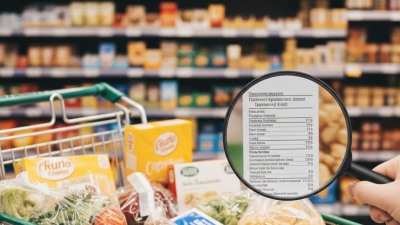
Compliance deserves careful checking. Reliable suppliers should provide specifications, allergen statements, safety data, certificates of analysis, and batch traceability. Facilities often follow Good Manufacturing Practices, HACCP principles, and ISO 22000-based food safety systems. However, certification alone proves little. Buyers should verify its scope, expiry date, and issuing body. Artificial flavoring definitions also vary by market, so regulatory status must be reviewed for each destination. Labels, permitted substances, and maximum use levels may differ.
Market strength is not only production volume. A capable supplier can reproduce a flavor across batches, manage seasonal raw material changes, and support pilot trials. Technical teams should explain dosage, pH stability, temperature tolerance, and shelf-life behavior. Response speed matters too. A delayed sample can disrupt a launch. Price comparisons may mislead when dilution rates and freight costs differ. No supplier is perfect. Even established producers may need stronger documentation or faster communication in certain regions. Careful testing remains necessary before commercial approval.
 Blog
Blog