How to Use Natural Vanilla in Baking and Beyond?
Natural vanilla has become a cherished ingredient in the culinary world, revered for its rich flavor and aroma. According to a report by the Food and Agriculture Organization (FAO), global demand for natural vanilla has surged by over 30% in recent years. This trend is evident among artisan bakers and home cooks alike, who seek authenticity in their ingredients.
Renowned vanilla expert Dr. Sarah Thompson once said, "Using natural vanilla elevates the quality of your baked goods remarkably." This reflects a growing preference for ingredients that are pure and unprocessed. However, sourcing high-quality natural vanilla remains a challenge, with prices fluctuating dramatically due to supply chain issues and climatic conditions.
Additionally, the preparation and application of natural vanilla in recipes can vary. Some bakers may hesitate, unsure how to incorporate it effectively. There is a need for education on using natural vanilla to its full potential, as mistakes can result in overwhelming flavors or wasted ingredients. Understanding this ingredient will transform baking practices and improve outcomes in the kitchen.
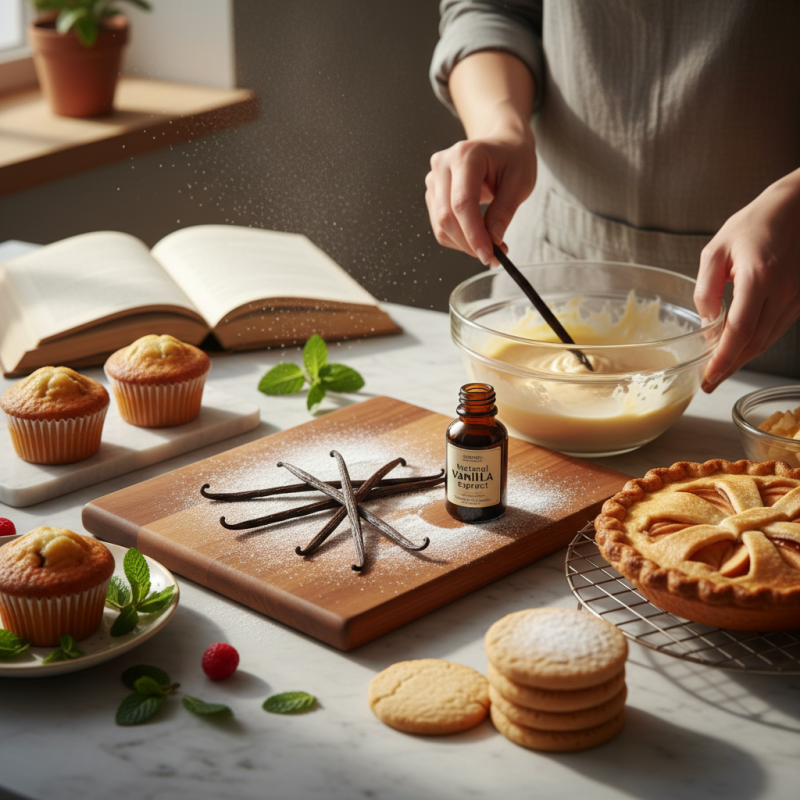
What is Natural Vanilla and How is it Different from Imitation Vanilla?
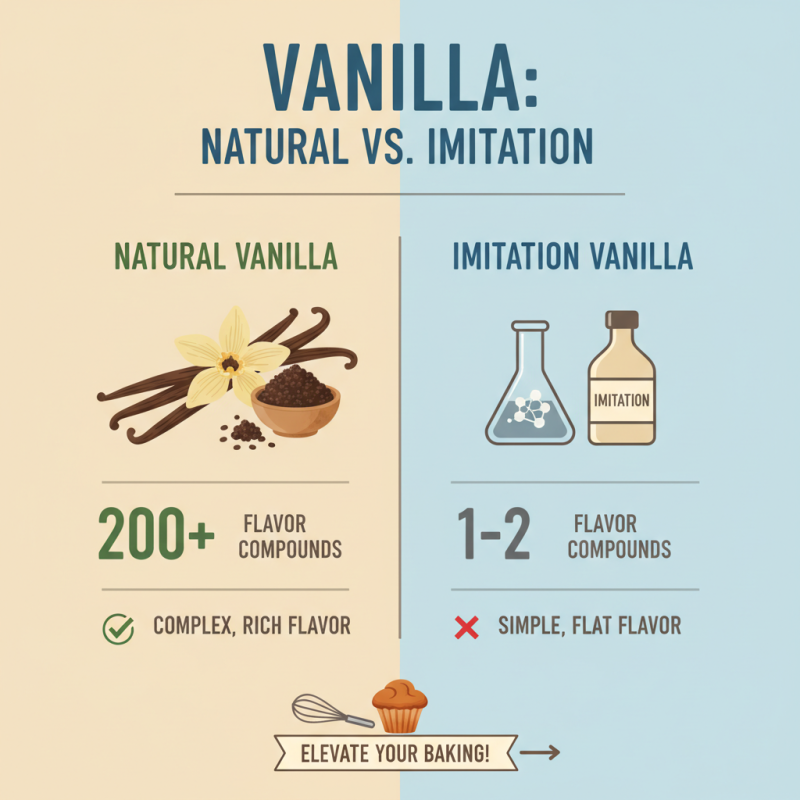
Natural vanilla, derived from vanilla beans, boasts a rich and complex flavor profile. It differs significantly from imitation vanilla, which is often made from synthetic vanillin. Industry reports indicate that natural vanilla products can contain over 200 flavor compounds, while imitation vanilla may only have one or two. This depth of flavor can elevate baked goods and desserts in a way that imitation cannot.
The price disparity also highlights the differences between these two types. According to data from the Vanilla Food Association, natural vanilla can cost up to 10 times more than its imitation counterpart. This reflects the labor-intensive process of pollinating and harvesting vanilla orchids. Despite its higher price, many chefs prefer natural vanilla for its authentic taste. They believe it enhances the overall culinary experience.
Using natural vanilla in baking can sometimes present challenges. Its flavor can be subtle or overpowering, depending on the quantity used. It requires careful measurement for the best results. Some find it difficult to balance the flavor in recipes. Others might mistakenly opt for imitation due to its lower cost. Yet, the investment in natural vanilla can lead to more satisfying outcomes in flavor and overall quality.
Benefits of Using Natural Vanilla in Baking and Cooking
Natural vanilla adds a rich flavor to baked goods. It enhances cookies, cakes, and pastries. Unlike synthetic options, natural vanilla brings depth. This warmth can elevate the overall taste of desserts. Users often notice a sweeter aroma and a more complex flavor profile. It’s comforting and inviting, enticing anyone who walks by.
Using natural vanilla can also have health benefits. It contains antioxidants that help combat free radicals. These antioxidants may support overall health. Additionally, it can reduce stress and promote relaxation. The soothing scent can inspire creativity in the kitchen. It makes the baking experience more enjoyable. Many bakers appreciate the sensory aspects of using it.
Some might find natural vanilla pricier than synthetic versions. This can lead to using less than ideal substitutes. When rushed, it’s easy to overlook quality. It’s important to reflect on your choices. Prioritizing natural ingredients can lead to better results. Natural vanilla is worth the effort for dedicated bakers. Its presence transforms a simple dish into something memorable.
How to Use Natural Vanilla in Baking and Beyond? - Benefits of Using Natural Vanilla in Baking and Cooking
| Dimension |
Details |
| Flavor Profile |
Rich, creamy, sweet, and floral notes. |
| Forms |
Extract, paste, powder, whole beans. |
| Usage in Baking |
Ideal for cookies, cakes, and custards. |
| Health Benefits |
Antioxidant properties, may enhance mood. |
| Pairings |
Chocolate, fruits, spices, and dairy. |
| Storage |
Store in a cool, dark place, ideally sealed. |
| Substitutions |
Vanilla extract can be used in recipes with half the amount of vanilla bean required. |
How to Properly Measure Natural Vanilla for Recipes
Using natural vanilla in baking enhances flavors significantly. However, proper measurement is critical for the best outcome. Research shows that the intensity of natural vanilla extract can vary. One teaspoon of pure vanilla extract typically contains about 0.5 grams of vanillin, the primary flavor compound. If too much is used, it can overpower a dish.
When measuring, it's essential to use precise tools. A standard measuring spoon is ideal for liquid extracts. If you're using powdered vanilla, a scale can help ensure accuracy. This method helps avoid inconsistencies in flavor between batches. Aromatic qualities in natural vanilla can diminish with excessive heat or incorrect proportions, impacting your recipe.
Mistakes happen. Many bakers have shared their experiences with vanilla measurements gone wrong. One drop too much can alter your cake's flavor. It’s a fine balance. Moreover, understanding the strength of different types of vanilla can lead to further questions. Keep experimenting and adjusting to refine your baking skills. The journey of perfecting vanilla measurement is continuous and rewarding.
Best Recipes for Incorporating Natural Vanilla in Desserts
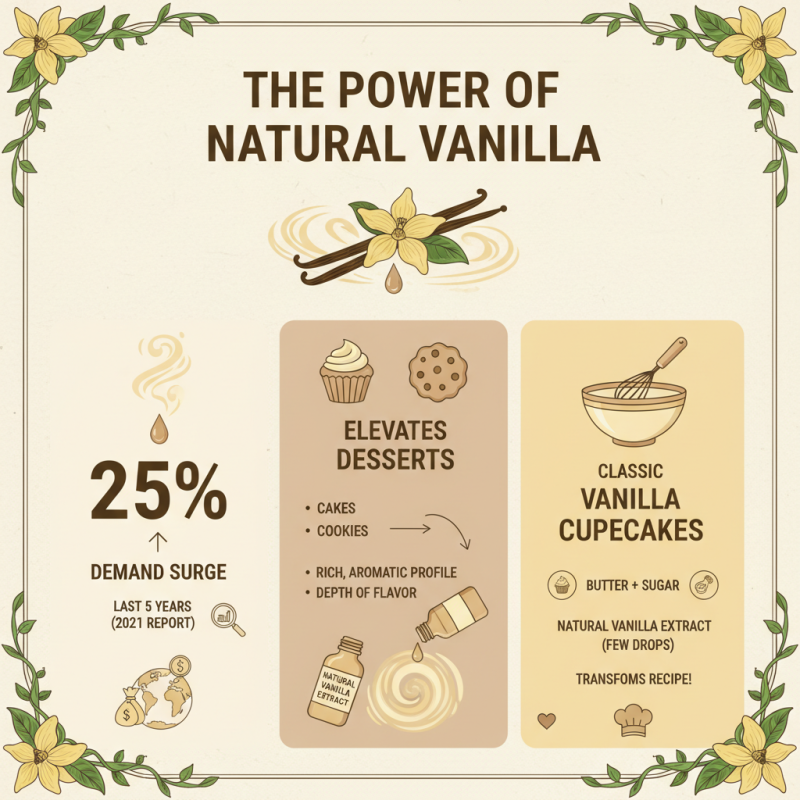
Natural vanilla is a prized ingredient in baking, enhancing flavors with its rich and aromatic profile. According to the 2021 Vanilla Market Report, the demand for natural vanilla has surged by over 25% in the past five years. This ingredient elevates desserts like cakes and cookies, infusing them with depth. Consider making classic vanilla cupcakes. Blend butter and sugar, then add natural vanilla extract. Just a few drops can transform an ordinary recipe into something more delightful.
Puddings and custards also shine with the inclusion of natural vanilla. A recent survey by Flavor Insights showed that 65% of consumers prefer desserts flavored with natural ingredients. That’s a powerful reason to reach for real vanilla. Experimental bakers often experiment with other flavors, but sometimes the results fall flat. Emphasizing natural vanilla can center the flavor profile and draw attention to its deliciousness. Vanilla bean ice cream is another unique option. Its visual appeal—with flecks of real vanilla seeds—adds both taste and texture.
When using natural vanilla, sometimes less is more. Balancing flavors can be tricky. Overdoing the vanilla can overpower other ingredients. It's important to adjust the amounts based on personal taste and the specific recipe. Each time you bake, consider the nuances of the flavors. This thoughtfulness can lead to delightful surprises in your creations.
Storage Tips for Keeping Natural Vanilla Fresh and Flavorful
Natural vanilla is a cherished baking ingredient. But keeping it fresh can be a challenge. Proper storage is key. Vanilla extract should be stored in a cool, dark place. Light and heat can degrade its quality. A sealed bottle can last for years, but exposure to air can shorten its lifespan.
According to a report by Flavor & Fragrance Materials, pure vanilla extract retains its flavor better than imitation. However, it’s essential to handle it correctly. Avoid using metal containers, as they can react with vanilla. Glass is the ideal choice. Many bakers overlook basic storage tips, which leads to diminished flavor. It’s easy to forget that quality matters.
Furthermore, homemade vanilla extract requires its own considerations. A study from the American Chemical Society suggests that letting vanilla beans steep longer enhances flavor. Use a clear bottle to observe the infusion. Remember to store it out of sunlight. Vanilla beans can dry out if not used properly. Keeping them wrapped in plastic and stored in a dark place can help maintain their moisture and aromatic properties.
 Blog
Blog